Key Takeaways
- Luxury brands are increasingly investing in experiential marketing to connect with consumers.
- Traditional advertising methods are losing effectiveness, prompting a shift in strategy.
- In-person experiences resonate particularly well with Gen Z and Millennials.
- Major events, such as the Super Bowl, are becoming platforms for immersive brand experiences.
Introduction
In recent years, luxury brands have increasingly pivoted towards experiential marketing as traditional advertising methods show diminishing returns. This strategic shift not only reflects changing consumer behaviors but also highlights the growing importance of creating memorable, immersive experiences that resonate with modern audiences, particularly younger consumers.
The Shift in Marketing Strategy
Luxury brands have long relied on traditional advertising avenues such as print media, television commercials, and billboards to promote their products. However, as these methods become less effective in capturing the attention of consumers, especially the younger demographics, brands are evolving their strategies. The rise of digital media consumption and changing consumer priorities have made it essential for luxury houses to consider more engaging methods of outreach.
Türkiye Tourism Metrics: Cappadocia, Pamukkale and Anatolian Destinations Expose
Experiential Marketing Defined
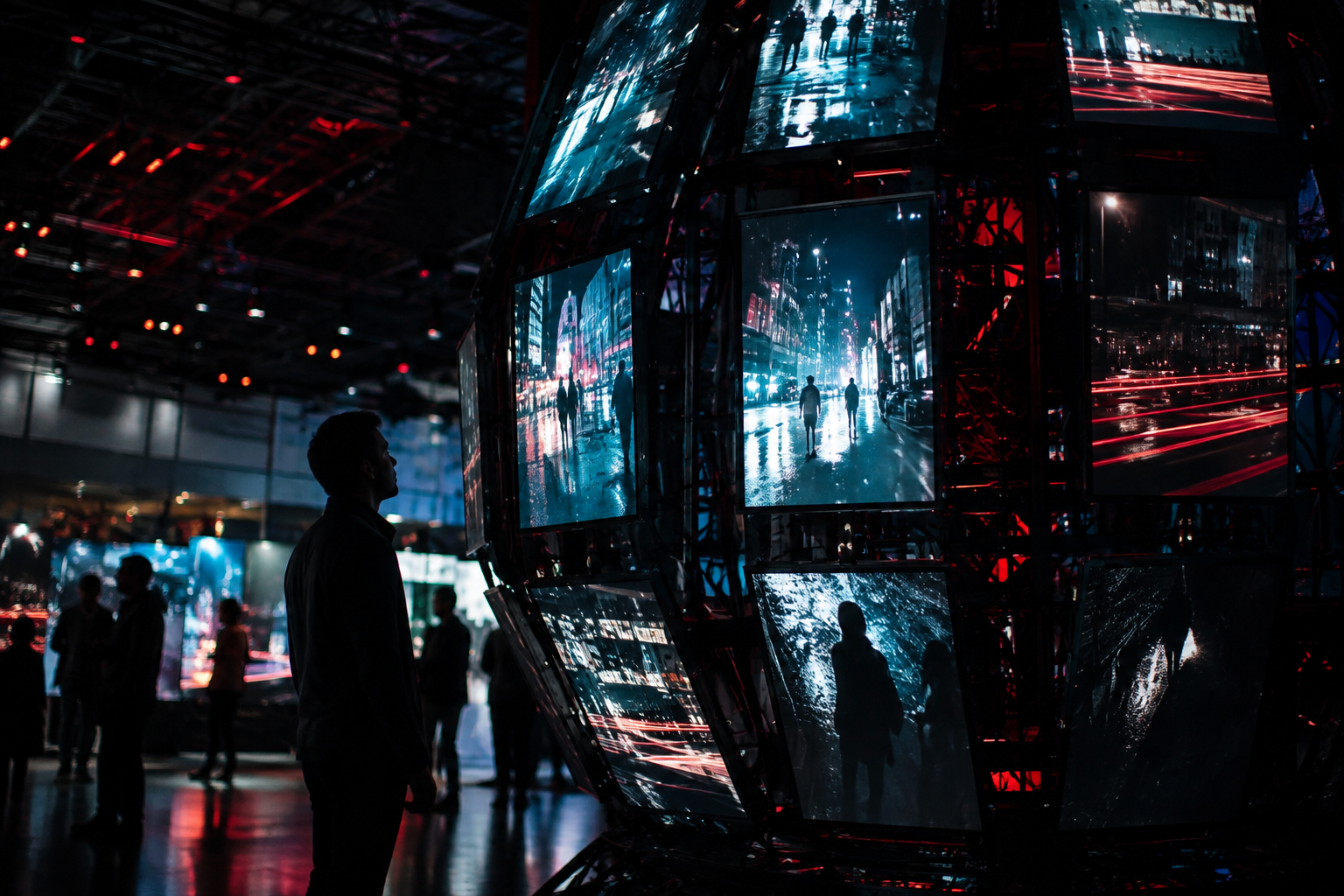
Experiential marketing involves creating memorable interactions between consumers and brands through immersive experiences. These can range from exclusive events and pop-up shops to interactive installations and personalized product trials. The goal is to foster emotional connections with consumers, allowing them to engage with the brand on a deeper level.
Why Experiences Matter to Luxury Brands
The current consumer landscape is characterized by an increasing demand for authenticity and engagement. Younger consumers, particularly Gen Z and Millennials, prioritize experiences over material possessions. This trend has prompted luxury brands to rethink their approaches to marketing and to place greater emphasis on creating unique experiences that resonate with their target audience.
Accor in China: How the Hotel Giant Is Building
Engagement Through Events
Major events, such as the Super Bowl, are increasingly becoming platforms for luxury brands to showcase their commitment to experiential marketing. Rather than relying solely on high-profile advertisements, brands are investing in interactive experiences that allow consumers to engage with the brand in real-time. For instance, during the Super Bowl, luxury brands are not just promoting their products but are also creating immersive experiences that draw consumers into their brand narratives.
The Impact of Digital Media
With the rise of social media and digital marketing, luxury brands have access to new channels for engaging consumers. Platforms like Instagram and TikTok allow brands to showcase their experiential marketing efforts in real-time, reaching a broader audience and encouraging organic engagement. This shift towards digital has reinforced the importance of experiences, as consumers are more likely to share their interactions with brands online.
Disney Names Joss Hastings New Consumer Products Marketing Chief
Challenges and Considerations
While the shift towards experiential marketing presents numerous opportunities, it is not without its challenges. Brands must carefully consider how to create authentic, meaningful experiences that align with their brand identity. Additionally, the logistics of organizing and executing high-quality experiences can be complex and costly, requiring significant investment and planning.
Balancing Digital and Physical Experiences
As brands navigate this new landscape, it is essential to strike a balance between digital and physical experiences. While virtual experiences have gained popularity, particularly during the pandemic, the tactile nature of in-person interactions remains invaluable. Brands must find innovative ways to integrate both approaches to cater to diverse consumer preferences.
What Lies Ahead for Luxury Brands
The future of luxury marketing will likely continue to emphasize experiential strategies, as brands recognize the importance of engaging consumers on a personal level. As the marketing landscape evolves, it is critical for brands to stay attuned to shifting consumer preferences and to adapt their strategies accordingly.
What to Watch Next
As luxury brands continue to invest in experiential marketing, several trends are likely to emerge:
- Integration of Technology: Expect to see more brands incorporating augmented reality (AR) and virtual reality (VR) into their experiential marketing strategies, enhancing the overall consumer experience.
- Focus on Sustainability: Consumers are increasingly prioritizing sustainability, prompting luxury brands to create experiences that reflect their commitment to environmentally friendly practices.
- Personalization: Tailored experiences that cater to individual consumer preferences will become more prevalent, as brands seek to create deeper connections with their audiences.
Frequently Asked Questions (FAQ)
1. What is experiential marketing?
Experiential marketing involves creating interactive and memorable experiences that engage consumers with a brand, fostering emotional connections.
2. Why are luxury brands moving away from traditional advertising?
Traditional advertising is becoming less effective at capturing consumer attention, particularly among younger demographics, leading brands to seek more engaging methods of outreach.
3. How do events like the Super Bowl impact luxury brand marketing?
Major events provide luxury brands with platforms to create immersive experiences, allowing them to engage consumers in real-time rather than relying solely on advertisements.
4. What challenges do luxury brands face with experiential marketing?
Brands must ensure that experiences align with their identity, while also managing the complexities and costs associated with organizing high-quality events.
5. What trends should we expect to see in luxury experiential marketing?
Future trends may include the integration of technology, a focus on sustainability, and increased personalization of consumer experiences.
Article Tags: luxury marketing, experiential marketing, digital media, consumer engagement, brand experiences